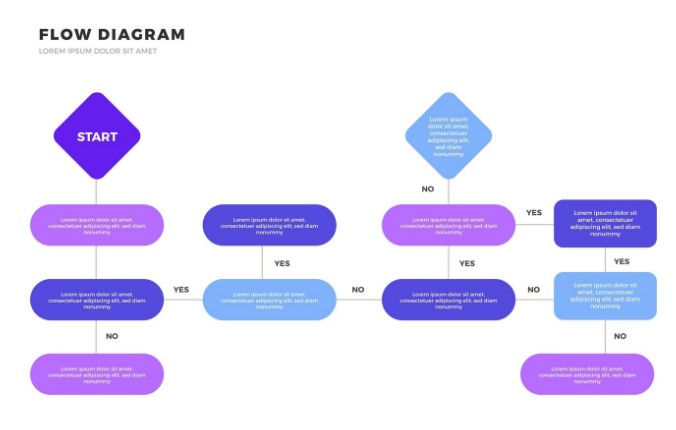
📊 Template Flow Chart
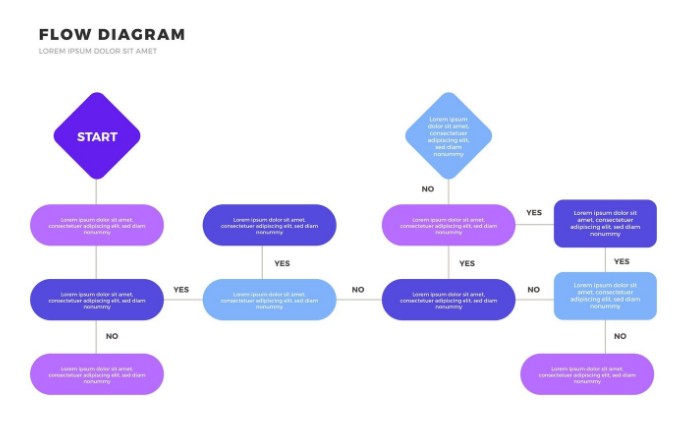
In today’s fast-paced business and technology world, flow charts have become a powerful tool to simplify complex processes. Whether you are working on software development, business operations, project management, or education, a template flow chart can help you save time and communicate ideas more effectively.
This article covers:
✅ What is a flow chart template
✅ Why it’s important
✅ Common flow chart symbols
✅ Types of flow chart templates
✅ Step-by-step guide to create one
✅ Tools to design flow charts
✅ Examples with images
✅ Best practices for professionals
🖼️ What is a Flow Chart Template?
A flow chart template is a pre-designed structure that helps you quickly create process diagrams without starting from scratch.
Instead of drawing shapes and connecting lines one by one, you can use a ready-made template that already contains the flow, symbols, and design.
👉 Example: A project manager can use a project workflow template instead of designing everything manually.
🖼️ Why Use a Flow Chart Template?
Flow chart templates offer many advantages:
- Saves Time ⏳ – No need to design from zero.
- Professional Look 👔 – Templates come with consistent styles.
- Easy Customization ✍️ – Add your steps and change colors.
- Error-Free Communication ✅ – Everyone understands standardized symbols.
- Versatile Use 🔄 – Can be used in business, education, engineering, healthcare, etc.
🖼️ Common Flow Chart Symbols
Every flow chart template includes standard symbols. Here are the most used ones:
- Oval (Terminator) – Start/End
- Rectangle (Process) – Action or task
- Diamond (Decision) – Yes/No condition
- Arrow (Connector) – Shows direction of flow
- Parallelogram (Input/Output) – Data in or out
🖼️ [Insert image of flowchart symbols with labels]
🖼️ Types of Flow Chart Templates
There are different types of templates depending on the industry and purpose:
1. Process Flow Chart Template
Used to visualize step-by-step workflows.
🖼️ Example: Manufacturing process.
2. Decision Flow Chart Template
Helps in yes/no or conditional decisions.
🖼️ Example: Hiring decision-making process.
3. Workflow Flow Chart Template
Shows how tasks move between departments or people.
🖼️ Example: HR employee onboarding workflow.
4. Data Flow Chart Template
Illustrates how information moves through a system.
🖼️ Example: Database or IT system flow.
5. Organizational Flow Chart Template
Shows hierarchy and structure.
🖼️ Example: Company org chart.
6. Swimlane Flow Chart Template
Separates activities into different roles or departments.
🖼️ Example: Customer support process.
🖼️ How to Create a Flow Chart Using a Template
Follow this step-by-step guide:
Step 1: Define Your Process
👉 Write down the steps or decisions in your workflow.
Step 2: Choose a Template
👉 Pick a pre-designed template that matches your process.
Step 3: Customize Symbols & Text
👉 Replace placeholder text with your actual process steps.
Step 4: Connect with Arrows
👉 Ensure arrows clearly show the direction of flow.
Step 5: Add Colors & Styles
👉 Highlight important steps for clarity.
Step 6: Share or Export
👉 Export as PDF, PNG, or PPT to share with your team.
🖼️ [Insert screenshot of step-by-step flow chart creation in a tool like Lucidchart or MS PowerPoint]
🖼️ Tools to Design Flow Chart Templates
Here are some popular tools:
- Microsoft PowerPoint & Word – Simple flow chart templates.
- Lucidchart – Online drag-and-drop flow chart maker.
- Canva – Pre-designed templates with modern styles.
- Google Drawings – Free online option.
- Visio (Microsoft) – Professional flow chart tool.
- Figma / Miro – Great for team collaboration.
🖼️ [Insert image comparing different flowchart tools]
🖼️ Example: Customer Support Flow Chart Template
Let’s say a company wants to design a customer complaint handling process.
Flow:
- Customer Submits Complaint →
- Support Agent Reviews →
- If Simple Issue → Resolve Immediately → End
- If Complex → Escalate to Specialist → Provide Solution → End
🖼️ [Insert customer support flow chart image with arrows & shapes]
🖼️ Best Practices for Using Flow Chart Templates
- Keep it Simple – Avoid too many shapes.
- Use Consistent Symbols – Stick to standards for easy understanding.
- Add Colors Wisely – Highlight key decisions only.
- Maintain Left-to-Right or Top-to-Bottom Flow – Natural reading direction.
- Test with Your Team – Ensure clarity before finalizing.
🖼️ Future of Flow Chart Templates
With the rise of AI tools, future flow chart templates will:
- Automatically generate diagrams from text input.
- Suggest optimized workflows.
- Integrate with project management apps like Trello, Asana, and Jira.
This means professionals can save even more time and focus on execution rather than design.
🖼️ Conclusion
A template flow chart is a time-saving, professional way to present processes in any field. Whether you are a student, business owner, project manager, or developer, using flow chart templates will:
✅ Improve communication
✅ Save time
✅ Reduce errors
✅ Provide clarity
So next time you need to explain a process, don’t start from scratch. Use a template flow chart and make your workflow visually clear and professional.
📌 Suggested Images (🖼️ to insert):
- Flow chart symbols infographic
- Example process flow template
- Workflow chart with swimlanes
- Comparison of flow chart software tools
- Real-world business flow chart
